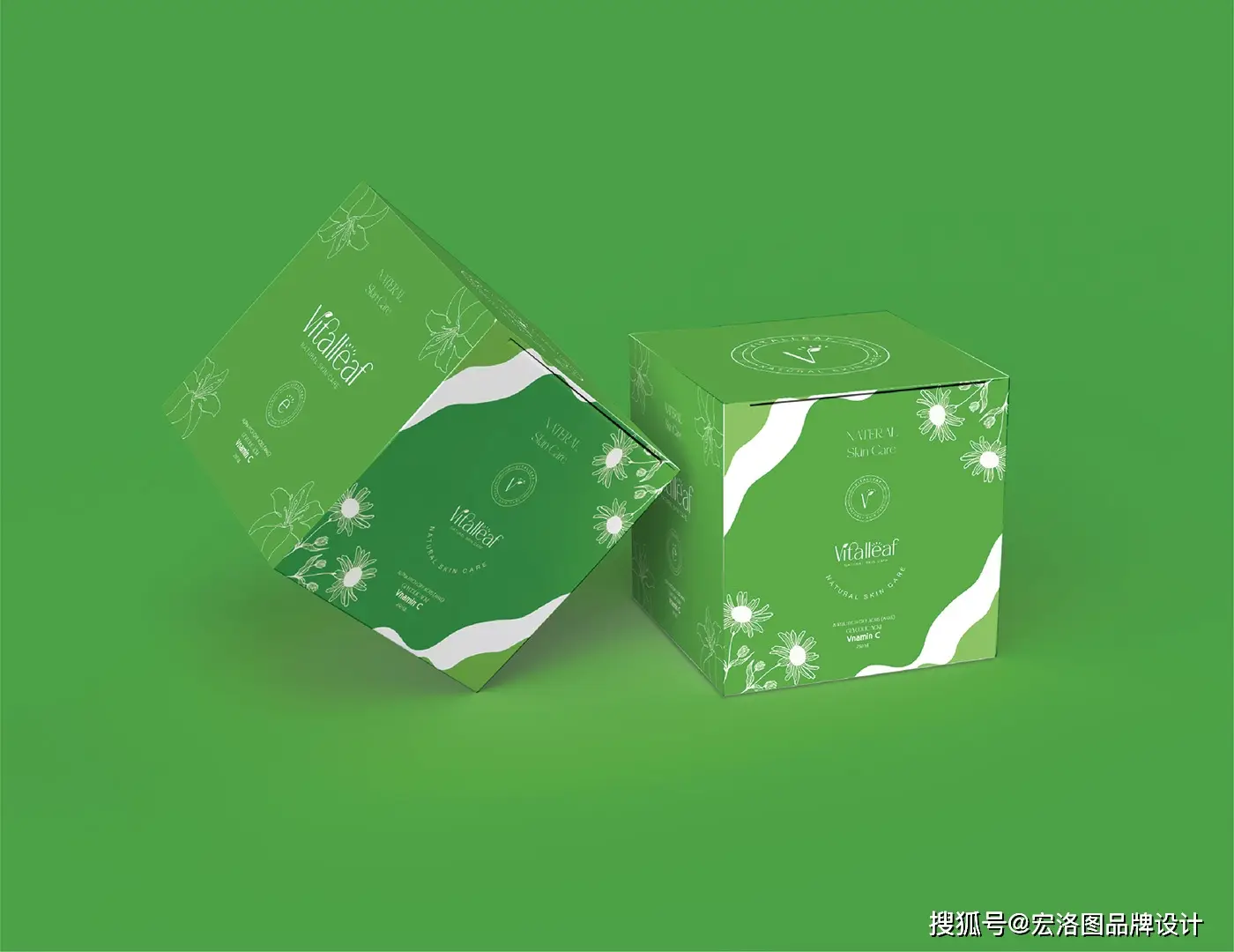
Driven by the dual upgrading of the global beauty industry and the continuous upgrading of consumer demand, China’s cosmetics packaging factories are accelerating their transformation from traditional processing and manufacturing labels to green, intelligent, personalized and international directions. With complete industrial chain advantages, continuous technological innovation and flexible customization capabilities, they have become the core force in the global cosmetics packaging field, providing high-quality and high-value-added packaging solutions for domestic and foreign beauty brands.
At present, China has formed a cosmetics packaging industrial cluster with the Yangtze River Delta and the Pearl River Delta as the core. The two regions gather more than 80% of the country’s leading packaging enterprises, building a complete industrial chain integrating “R&D, production, testing and logistics”, realizing the efficient coordination of the “1-hour supporting circle”, which greatly reduces production and logistics costs and improves supply chain resilience and response speed. Among them, the Pearl River Delta, with Guangzhou, Shenzhen and Zhongshan as the core, focuses on core products such as plastic bottles, pump heads and sprayers, and relies on the open advantage adjacent to Hong Kong and Macao to become an important export base for global beauty packaging; the Yangtze River Delta, with Shanghai, Suzhou and Hangzhou as the center, focuses on the R&D of glass containers, high-end cartons and intelligent packaging, and leads the trend of industrial technological innovation with strong scientific research resources.
Green environmental protection has become the core main line of the transformation of China’s cosmetics packaging factories. With the “14th Five-Year Plan” including green packaging into strategic emerging industries and the full implementation of the “Regulations on the Administration of Packaging Waste” in 2026, domestic packaging enterprises have increased investment in R&D of environmental protection materials, promoting the transformation of packaging products to recyclable, degradable and lightweight. At present, the cost of bio-based materials such as PLA and PHA has dropped to 1.3 times that of traditional plastics, approaching the commercial critical point. The application of environmentally friendly materials such as PCR recycled plastics, ocean recycled materials and recycled glass is becoming increasingly widespread. Many enterprises have achieved the policy requirements of more than 85% recyclable packaging and no less than 30% use of biodegradable materials, which not only practices the concept of sustainable development, but also meets the environmental layout needs of global brands.
The in-depth integration of intelligent and digital technologies is reshaping the production mode and product functions of cosmetics packaging. China’s cosmetics packaging factories have actively introduced intelligent production lines, AI design tools, 3D printing technologies, etc., reducing the packaging R&D cycle from the traditional 3-6 months to 2-4 weeks, and increasing production efficiency by more than 30%; at the same time, they have combined NFC, RFID chips, temperature and humidity sensors with traditional packaging to develop a “one product, one code” traceability and anti-counterfeiting system, realizing value-added functions such as product traceability and interactive marketing, turning packaging from a “cost center” into a “data entrance” to meet the digital marketing needs of brand owners. In addition, the popularization of flexible production mode enables enterprises to quickly respond to the personalized customization needs of small batches and multiple varieties. 7-day rapid proofing has become the core competitiveness of some leading enterprises, adapting to the current “niche and diversified” consumption trend in the beauty industry.
In terms of brand services, China’s cosmetics packaging factories are transforming from “product suppliers” to “brand partners”, building a full-chain customized service system. From packaging design, mold development, material selection, to production and manufacturing, quality inspection and logistics and distribution, enterprises provide customers with one-stop solutions. At the same time, they strengthen cooperation with universities and design institutions, integrate Guochao elements and oriental aesthetics into packaging design, create products with cultural recognition, and help brands improve their premium capacity. At present, domestic leading packaging enterprises have served domestic leading brands such as Florasis and Perfect Diary, and established in-depth cooperation with international brands such as L’Oreal and Shiseido. Their products are exported to Southeast Asia, Japan, South Korea, Europe and the United States and other regions, with an export growth rate of more than 15% since 2026.
Industry analysts point out that in the future, China’s cosmetics packaging factories will continue to focus on three major directions: first, deepen green transformation, promote the large-scale application of environmental protection materials and the improvement of recycling systems; second, accelerate technological innovation, break through core technical barriers such as high barrier materials and intelligent integration, and enhance product competitiveness; third, expand the international market, rely on the advantages of the RCEP region, strengthen cooperation with global brands, and promote Chinese beauty packaging to the world. With the continuous improvement of industry concentration, enterprises with strong new material R&D capabilities, high intelligent manufacturing level and strong service capabilities will obtain more policy dividends and market share, leading the high-quality development of China’s cosmetics packaging industry.
 aitike