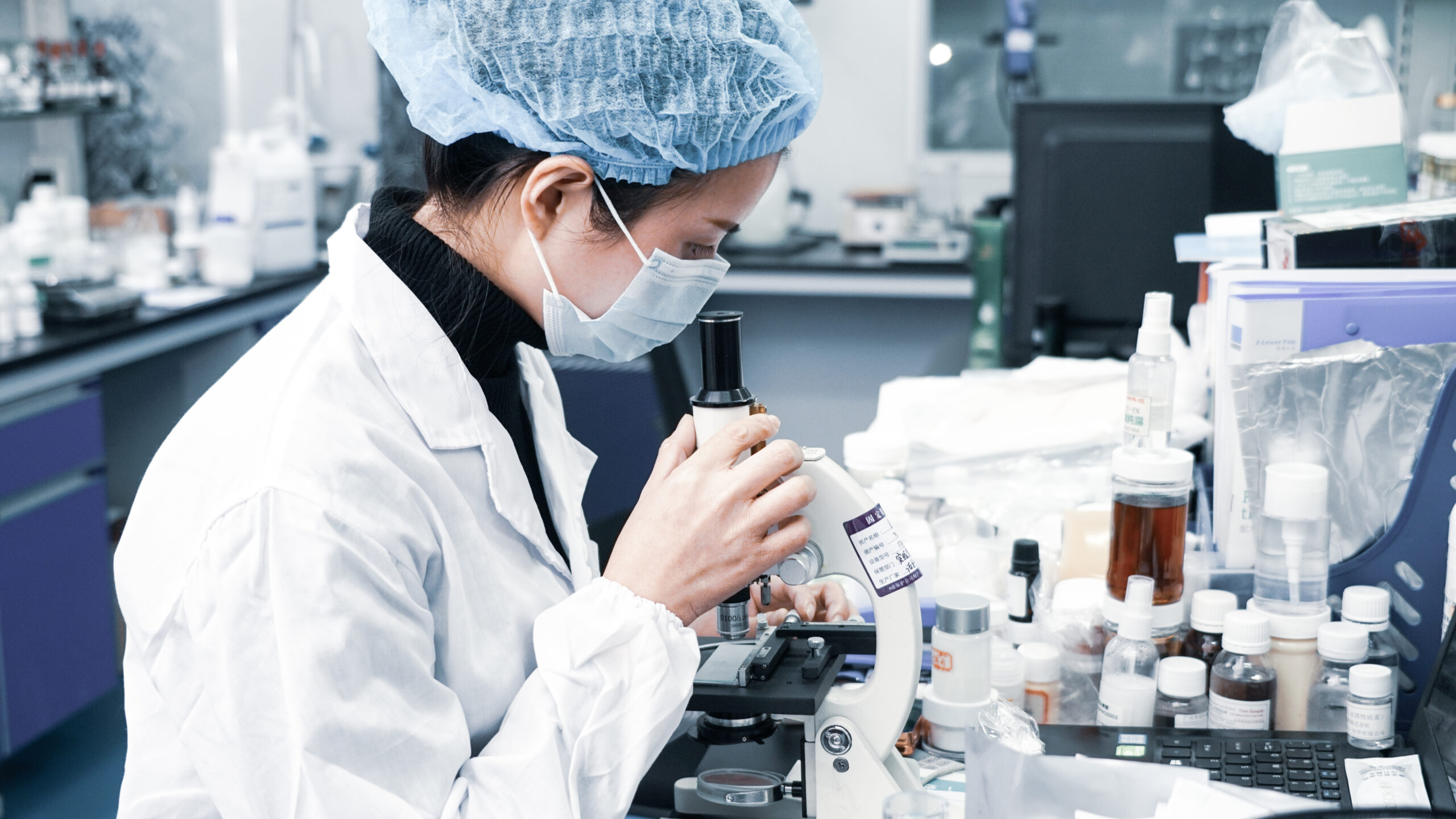
Latest data released by the Cosmetic New Ingredient Filing Platform of China National Medical Products Administration (NMPA) shows that the filing of new cosmetic ingredients in China has witnessed an explosive growth in 2026. As of now, a total of 84 new cosmetic ingredients have successfully completed official filing, involving 63 domestic and overseas enterprises related to the beauty industry. The average monthly filing volume reaches as high as 16.8 items, a significant increase compared with the same period last year, indicating that China’s upstream cosmetic raw material track has officially entered a high-speed innovation stage.
From the perspective of filing data, the 84 newly filed ingredients cover multiple fields such as functional skincare, gentle care, and green safety. Among them, peptides, bio-fermentation ingredients, supramolecular self-assembly ingredients, and plant extracts have become popular filing categories, accounting for more than 60% of the total. It is worth noting that high-performance functional ingredients have become the core focus of enterprise layout. Earlier, the self-assembled short peptide (Acetyl Octapeptide-1) independently developed by Zhitai Shengchuang, a company controlled by renowned venture capitalist Li Wei, was also included in this filing boom as China’s first approved supramolecular self-assembly cosmetic new ingredient, highlighting the attention of hard-tech capital to the upstream cosmetic raw material track.
Among the 63 enterprises participating in the filing, there are both local enterprises deeply engaged in the R&D of cosmetic raw materials in China and well-known international raw material giants, among which local enterprises account for more than 70%, showing the R&D strength and innovation vitality of domestic raw material enterprises. In recent years, as the competition in China’s beauty industry has shifted from the brand end to the raw material end, more and more enterprises have begun to increase investment in upstream R&D, focusing on original technological breakthroughs. The proportion of domestic original new raw materials has continued to rise, gradually breaking the long-term monopoly of overseas brands in the field of high-end cosmetic raw materials.
Industry insiders analyze that the explosive growth in the number of new cosmetic ingredients filed is mainly due to two major factors: first, the continuous improvement of the regulatory system. NMPA has continuously optimized the filing process and simplified the approval links, providing policy support for the rapid landing of new raw materials; second, the dual drive of capital and technology. The application of new technologies such as synthetic biology and AI-assisted R&D has lowered the threshold for raw material R&D. At the same time, top VCs represented by Songhe Capital have successively bet on the upstream raw material track, injecting capital vitality into enterprise R&D.
Looking forward to the future, with the standardization of supervision, the upgrading of R&D technology and the continuous increase of capital, the filing of new cosmetic ingredients will continue to maintain a normalized and high-speed trend. High-barrier and high-efficiency ingredients such as biotechnology, synthetic biology and new peptides will become the mainstream of filing. Domestic beauty brands will further enhance their differentiated competitiveness with the advantage of original raw materials, promote the transformation of China’s beauty industry from “brand involution” to “technological independent R&D”, and realize the leap from a major beauty country to a powerful beauty country.
 aitike