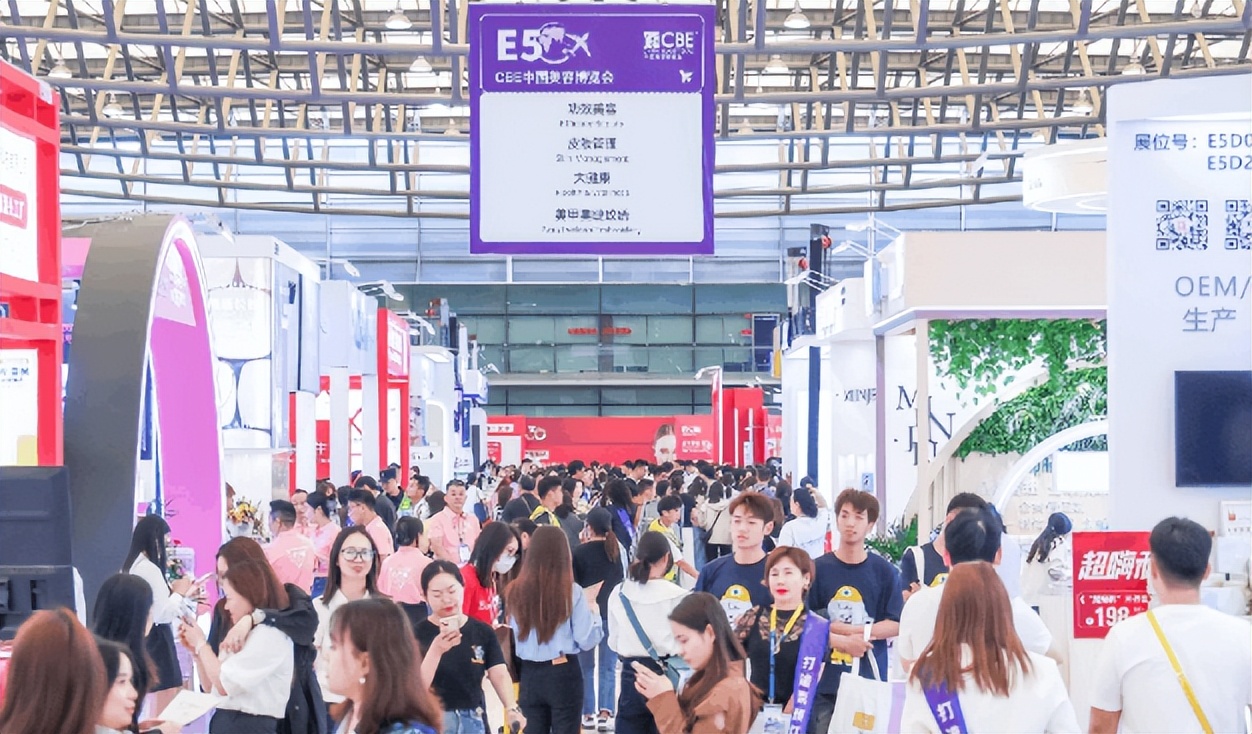
The 30th China Beauty Expo (Shanghai CBE) concluded successfully on May 14, 2026, at the Shanghai New International Expo Centre. As the leading platform for the Asia-Pacific beauty supply chain, this edition ran under the theme “30 Years, New Tides”, with seven dedicated packaging pavilions (W4/W5/N3/N5/W8/W9/W10) showcasing nearly 100 innovations in materials, structures, finishes and digital solutions. Sustainability, smart interactivity, creative cost efficiency, and circular design took center stage—marking the shift of beauty packaging from a “visual accessory” to a core brand competitiveness driver.
1. Sustainable Materials: From Optional to Mandatory, Low-Carbon Becomes Standard
The clearest message across three days: eco-friendliness is no longer a bonus, but a requirement. Over 60% of exhibitors prioritized degradable, recycled, and plastic-free solutions.
- Plant-based & biodegradable: Sugarcane jars, seaweed films, and PVA water-soluble films were widely displayed—fully degradable in 180 days with zero microplastics, replacing single-use sachets and overwraps.
- PCR & recycled glass: 100% recycled glass bottles and PCR plastic containers achieved stable mass production, matching virgin material performance while cutting carbon emissions by ~40%, favored by premium skincare.
- Plastic-free paper solutions: Waterproof specialty paper bags, foldable paper trays, and high-strength paper-based composites replaced plastic liners, balancing moisture resistance, durability, and luxury tactile feel.
2. Smart Packaging: From Concept to Mass Production, AR/NFC/Temp Tags Scale Up
Smart technology emerged as the biggest highlight, moving from samples to quotable, prototype-ready, bulk-applicable offerings.
- AR interactive packaging: 3D-printed bottles with AR traceability labels became standard—scan for ingredient sourcing, 3D assembly, and tutorials, increasing visitor dwell time by ~40%.
- NFC data-driven engagement: NFC chips embedded in caps/bases let users tap for brochures, discounts, and sample sign-ups, boosting lead generation by ~60% and bridging offline experience to online CRM.
- Smart temperature indicators: Heat-sensitive color-changing labels monitored storage conditions in real time, protecting actives in serums and freeze-dried products, enabling functional premium pricing.
- Refillable modular cosmetics: Snap-in lipstick refills and magnetic eyeshadow palettes were widely launched, reducing packaging waste by ~70% while driving repeat purchases.
3. Creative Structures & Finishes: Minimalist Luxury + Functionality, Cost-Efficiency as Priority
Amid “aesthetic competition” and cost pressure, a clear trend emerged: premium look without premium cost.
- Minimalist luxury structures: Seamless glass jars, ultra-thin metal tubes, and streamlined vacuum bottles dominated—clean lines, premium touch, ideal for anti-aging and fragrance lines.
- User-centric functionality: Precision dispensers, child-safety locks, flip-top compacts, and airless pumps improved usability, driving ~20% YoY sales growth for such products.
- Low-cost premium finishes: Hot stamping, frosted coating, metal brushing, and spot UV were widely adopted—elevating perceived value on a budget, helping brands launch viral bestsellers.
4. Digital Printing & Flexible Customization: Small Batch, Fast Lead Time, Variable Data Standardized
Driven by demand for SKU proliferation, small batches, and quick turnaround, digital printing became the most sought-after solution.
- Plateless high-speed digital printing: Full-color direct printing without plates, minimum order as low as 50 units, lead time shortened to 3 days—perfect for niche brands, limited editions, and collaborations.
- Variable data printing: Unique QR codes, serial numbers, and personalized messages per package at scale—combining anti-counterfeiting, traceability, and loyalty marketing.
5. Key Trends 2026–2027: Four Certainties
- Sustainability enforced: Degradable, PCR, and plastic-free designs go mainstream; low-carbon capability directly impacts market access and pricing.
- Packaging smartens up: AR/NFC/temp tags expand from premium to mass lines; “interactive, traceable, communicative” packaging becomes standard.
- Design meets function: Minimalist luxury + user-centric structures + low-cost finishes; aesthetics, experience, and cost efficiency as one.
- Supply chains flex: Digital printing, modularity, and refillable designs accelerate; small-batch agility becomes a core capability.
Closing Note
2026 Shanghai CBE was not merely a showcase of new products, but a turning-point industry-wide technology rollout. In the next two years, packaging solutions that simultaneously address regulatory compliance, user experience, brand differentiation, and supply chain costs will be the key to standing out in the competitive beauty market.
 aitike